The Right Way to Apply Your Skincare: Layering for Maximum Results

If you’ve ever stood in front of your mirror wondering “wait… which product goes first?”—you’re not alone! From toner to serums and creams it can get confusing and redundant. Yet, skincare isn’t just about the products you use, it’s about how you use them. The order you apply your products can truly make or break your routine, affecting how well ingredients absorb and how effective they actually are.

Think of your skincare routine like creating an outfit: would you wear a jacket under a tank top? No, and the same logic applies here—you go from the lightest, most absorbable products to the heaviest, most occlusive.

Let’s break it down step-by-step so your routine actually works for your skin, not against it.


Step 1: Cleanser

Why cleanse first? Think of it like this: you’re starting your routine with a clean canvas. Cleansing rids the skin of dirt, oils, makeup, and other buildup on your skin whether from the day or overnight. Without this step, your skin has a harder time absorbing topical products and bacteria can be trapped.

Pro tip: I like to cleanse once in the morning and twice at night

  • Morning: use a gentle, non-stripping cleanser (I prefer a gentle water-based cleanser)
  • Night: double cleanse to ensure removal of makeup and SPF (1st cleanse is an oil cleanser, and second is a foaming cleanser)

Step 1b: Exfoliants

Exfoliants should not be part of an everyday routine, but can be effective when used correctly, only at night, and no more than 2-3 times a week. They aid in removing dead skin cells, paving the way for products to penetrate your pores more properly, and leading to a more even, radiant skin tone. It is important to avoid over-exfoliation (signs of burning, redness, and flaking), avoid mixing with strong active ingredients (retinol), and ensuring hydration.

Step 2: Toner

Using a toner is an underrated and overlooked step in skincare. When applied to freshly cleansed skin it allows for a reset and prep for absorbing the rest of your routine. Toners are typically water-based, perfect for balancing the pH of your skin.

What to look for in a toner:

  • Hydrating toners (containing hyaluronic acid and glycerin)
  • Make sure to avoid alcohol-heavy formulas as they usually strip the skin (unless specifically needed)

Step 3: Serums

Serums are specifically formulated with highly concentrated active ingredients with very small molecules, allowing them to penetrate through the skin. This should be the third step to ensure maximum effectiveness as toners will prepare the skin for absorption of these ingredients. For best results, serums should be applied from thinnest to thickest consistency.

Commonly used serums:

  • Vitamin C- for brightening the skin, best used in the morning
  • Niacinamide- for oil and redness control
  • Hyaluronic acid- for hydration and plumping the skin
  • Retinol- for anti-aging/reducing wrinkles, best used at night

Step 4: Eye Cream

Why does this step come before moisturizer? The skin around your eyes is much thinner and more sensitive than the rest of your skin. It is important to apply eye cream prior to heavier products to make sure it is properly absorbed.

Application tip:

Use your ring finger to be more precise and delicate, and gently tap (do not rub)

Step 4b: Spot Treatments

Spot treatments are designed to treat blemishes individually, instead of treating the entirety of your skin. They are typically very concentrated in active ingredients for maximum precision and effectiveness. It is essential to apply these prior to moisturizer so heavier creams are not lowering the level of penetration.

Step 5: Moisturizer

In order to lock in the previous products, moisturizer should be applied next. It allows for you to seal in the hydration and active ingredients while strengthening the skin barrier. It almost acts as a seal to prevent the other products from evaporating.

Types of moisturizers:

  • Gel moisturizer- for oily/acne-prone skin
  • Cream moisturizer- for dry/sensitive skin

Step 6: Face Oil (Optional)

Oils are heavier and more occlusive than moisturizers, which is why applying them last helps locking in all layers and preventing moisture loss.

Important note:

Oils themselves do not hydrate, but seal hydration in, due to the separation in density.

Step 7: Sunscreen (Morning Only)

Sunscreen is non-negotiably the final skincare step. SPF forms a protective barrier for your skin from harmful rays, which is why applying anything afterwards can disrupt the effectiveness of it. A minimum of SPF 30 should be applied every day, even when cloudy.

Why is SPF essential?

  • Prevention of premature aging
  • Protection against skin cancer
  • Stopping hyperpigmentation from worsening

Golden Rules of Applying Skincare

  • Apply thin to thick/ lightest to heaviest
  • Give products time to absorb by waiting 30-60 seconds between layers
  • consistency> complexity: a daily simple routine beats a complicated hard-to-follow routine

Final Thoughts

Skincare isn’t about having the most products, the trending products, or the most aesthetically pleasing products—it’s about using the right ones in the right order. Once you understand how layering works, your routine becomes way more effective (and honestly, way less confusing).

Your skin is absorbing everything you put on it—so make sure you’re giving it the best chance to actually use those ingredients.

Because good skincare isn’t just what you use, it’s how you use it!

Works Cited

American Academy of Dermatology Association. “Exfoliation: What You Need to Know.” AAD.orghttps://www.aad.org/public/everyday-care/skin-care-basics/care/exfoliation.

American Academy of Dermatology Association. “Acne: Diagnosis and Treatment.” AAD.orghttps://www.aad.org/public/diseases/acne/treatment.

Draelos, Zoe Diana. Cosmetic Dermatology: Products and Procedures. 2nd ed., Wiley-Blackwell, 2015.

Ganceviciene, Ruta, et al. “Skin Anti-Aging Strategies.” Dermato-Endocrinology, vol. 4, no. 3, 2012, pp. 308–319.

Kafi, R., et al. “Improvement of Naturally Aged Skin with Vitamin A (Retinol).” Archives of Dermatology, vol. 143, no. 5, 2007, pp. 606–612.

Mukherjee, S., et al. “Retinoids in the Treatment of Skin Aging: An Overview of Clinical Efficacy and Safety.” Clinical Interventions in Aging, vol. 1, no. 4, 2006, pp. 327–348.

National Institutes of Health. “Salicylic Acid.” PubChemhttps://pubchem.ncbi.nlm.nih.gov/compound/Salicylic-acid.

National Institutes of Health. “Benzoyl Peroxide.” PubChemhttps://pubchem.ncbi.nlm.nih.gov/compound/Benzoyl-peroxide.

Thiboutot, Diane, et al. “New Insights into the Management of Acne: An Update from the Global Alliance to Improve Outcomes in Acne Group.” Journal of the American Academy of Dermatology, vol. 60, no. 5, 2009, pp. S1–S50.

Van Scott, Eugene J., and Ruey J. Yu. “Control of Keratinization with Alpha Hydroxy Acids and Related Compounds.” Archives of Dermatology, vol. 110, no. 4, 1974, pp. 586–590.

Webster, Guy F., et al. “Benzoyl Peroxide: A Review of Its Current Use in the Treatment of Acne Vulgaris.” Journal of Clinical and Aesthetic Dermatology, vol. 1, no. 1, 2008, pp. 48–52.
SPF: It Isn’t Just in Sunscreen


SPF, or Sun Protection Factor, is a measure of how well a product protects your skin from UVB rays (the type of ultraviolet radiation primarily responsible for sunburn and a major contributor to skin cancer). Beyond sunburns, UV exposure accelerates skin aging, leading to wrinkles, fine lines, melanoma risks, and dark spots over time. Because of this, SPF is one of the most important components of any skincare routine, not just for beach days and tanning, but for everyday life—even when it’s cloudy or you’re indoors near windows.

Many people grow up thinking that the only way to get proper SPF protection is by applying a traditional sunscreen as a separate step, usually as the last part of skincare before makeup. While classic sunscreens are absolutely effective and still the gold standard, this mindset can make SPF feel like a chore—especially for people who dislike the texture, finish, or smell of sunscreen on their face. I consistently hear of SPF being skipped as a step in skincare routines due to the fact that “it makes makeup pill/look uneven,” “it leaves a white cast,” “it leads to breakouts,” and “it has a greasy look.” As a result, some people skip SPF entirely, assuming that if they’re not using a dedicated sunscreen, they’re unprotected.

What’s often overlooked is that there are plenty of skincare and makeup products on the market that already contain SPF and can meaningfully contribute to sun protection. Moisturizers, tinted moisturizers, foundations, concealers, setting powders, bronzers, setting sprays, and even lip products frequently include SPF ingredients like zinc oxide, titanium dioxide, or chemical UV filters. When these products are used correctly and in sufficient amounts, they can help protect the skin while seamlessly fitting into an existing routine, or even making one’s routine look even better. For many people, SPF-infused products make sun protection more realistic, consistent, and wearable—turning SPF from an extra step into something that’s already built into daily habits.

That said, it’s important to understand that SPF in skincare and makeup works best when applied generously and thoughtfully. Layering SPF-containing products can also help boost overall protection. The key takeaway isn’t that traditional sunscreen is unnecessary—but rather that SPF doesn’t have to look like one specific, traditionally ignored, product. Whether it comes from a classic sunscreen, a moisturizer with SPF, or makeup formulated with sun protection, what matters most is consistency and making SPF a daily non-negotiable for your skin, providing yourself with beauty and good health both today and for your future self!


Below, I’ve rounded up a selection of SPF-infused skincare and makeup products that offer sun protection without feeling or looking like a traditional sunscreen. Rather than forcing an extra step into your routine, these products help you multitask—combining coverage, hydration, pigment, and broad-spectrum SPF so you can protect your skin while getting ready as usual. I’ve organized everything by product type (foundations, powders, blushes, etc.) to make it easier to compare options and find what fits best into your daily routine.

Bases: Foundation and Skin Tint

SPF-infused foundations and skin tints combine coverage and sun protection in one step. They help even out your skin tone while adding an extra layer of daily SPF, with options ranging from glowy to matte, making them an easy, low-effort way to build sun protection into your makeup routine.

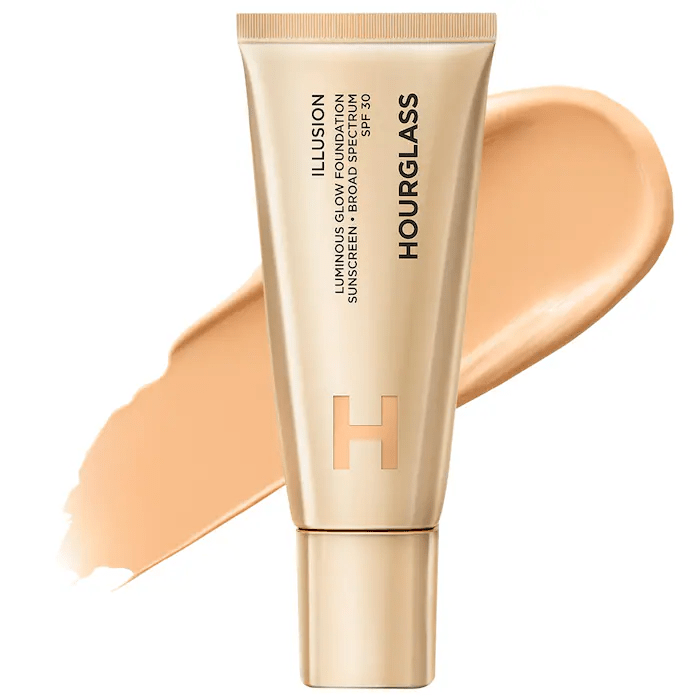
Hourglass Illusion Luminous Glow Foundation, for a radiant, dewy, medium coverage finish with SPF 30

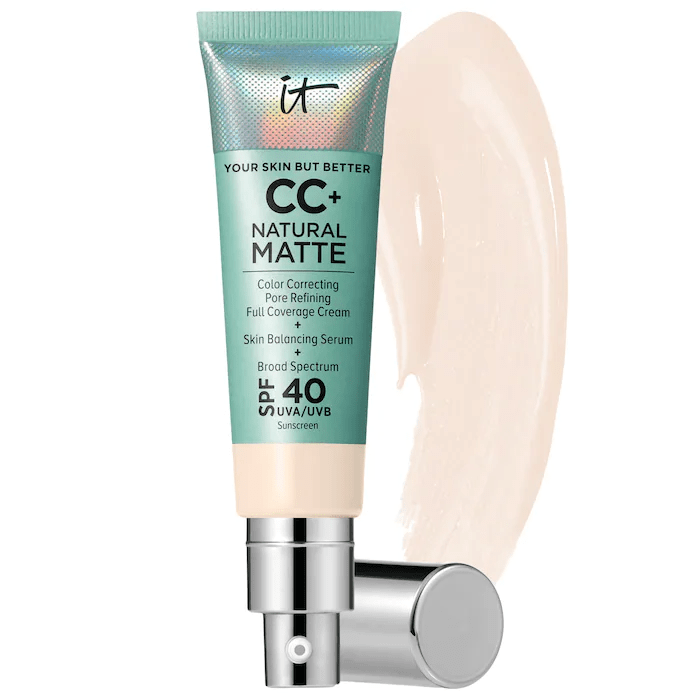
IT Cosmetics CC+ Cream Natural Matte Foundation, for a full-coverage look on oily skin with SPF 40

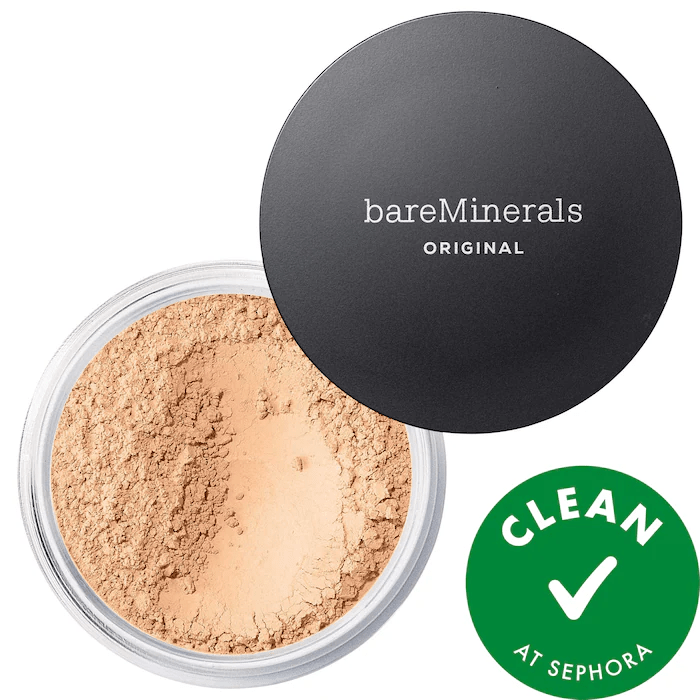
bareMinerals Original Loose Talc-Free Powder Mineral Foundation, for a natural finish on dry/combo skin with SPF 15

Concealer

SPF-containing concealers help correct imperfections while adding a bit of sun protection to targeted areas. They’re a great complement to your base makeup and an easy way to boost SPF where you need it most.

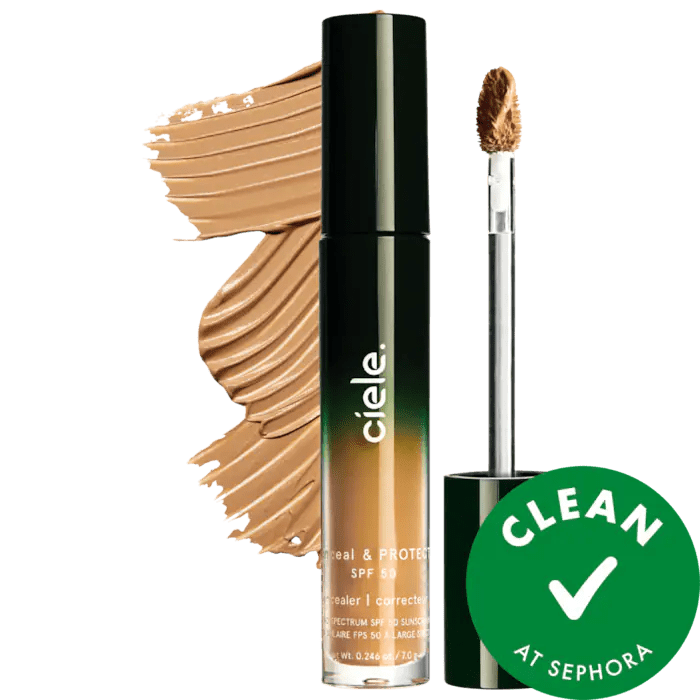
Ciele conceal & PROTECT spot concealer for dark spots, to target sunspots, hyperpigmentation, and blemishes with buildable coverage with SPF 50+

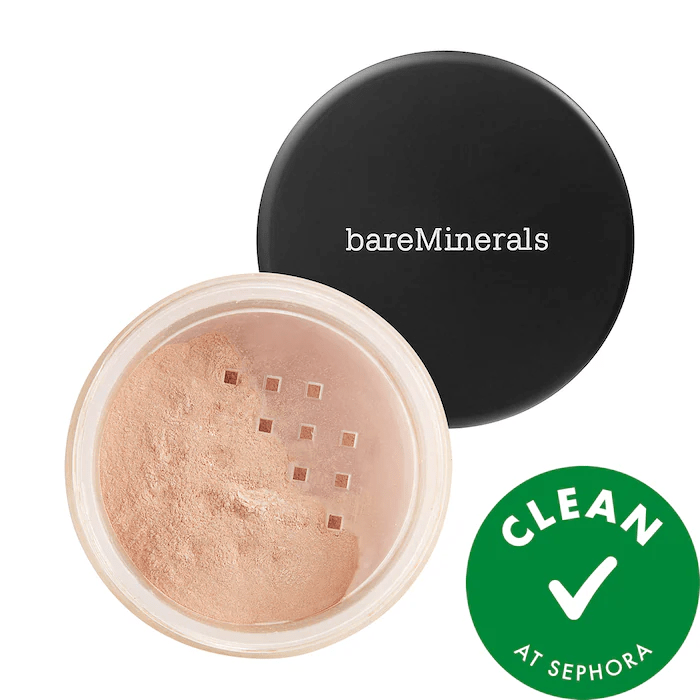
bareMinerals Loose Talc-Free Powder Concealer, for dark circles and imperfections and doubles as an eyeshadow base with SPF 20

Setting Powder

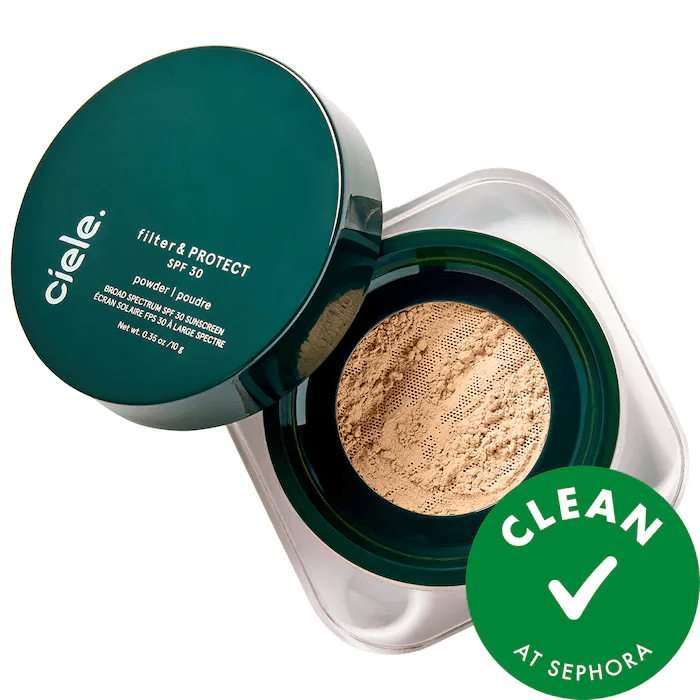
Ciele filter & PROTECT blurring finishing and setting powder, for smoothing the skin, blurring, and setting makeup with SPF 30+

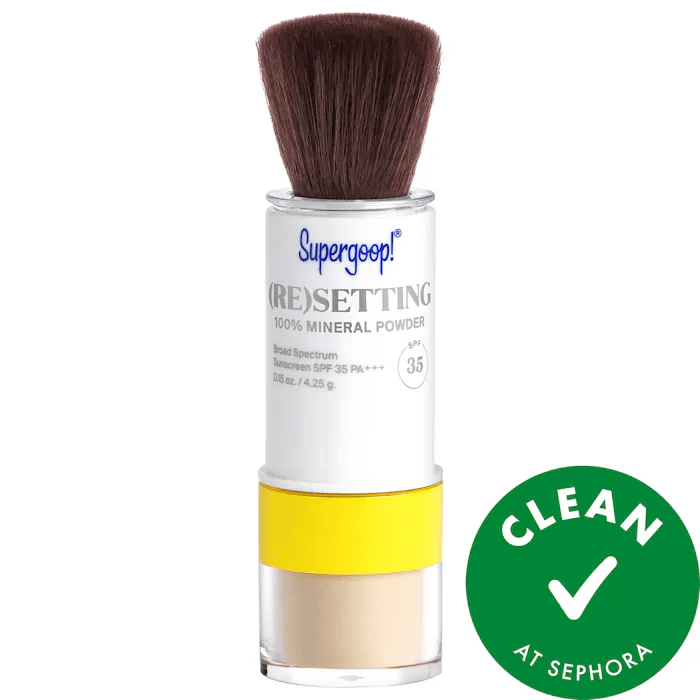
Supergoop! 100% Mineral(Re)setting Powder Face Sunscreen, for an easy application/reapplication to set makeup and create a matte finish with a built in brush and with SPF 35

Blush and Bronzer

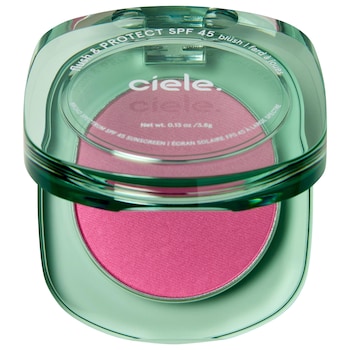
Ciele flush and PROTECT powder blush, for a pigmented and radiant finish with SPF 45+

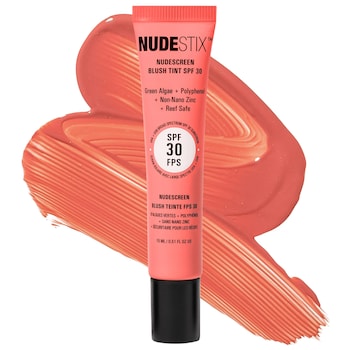
NUDESTIX Nudescreen Blush Tint, for a natural, lightweight, and hydrating tint with SPF 30

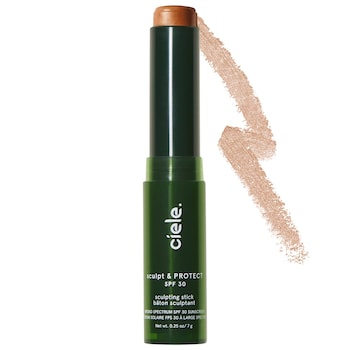
Ciele sculpt and Protect bronzing cream contour stick, for a natural, easy-to blend-bronzer with SPF 30+

Highlighter

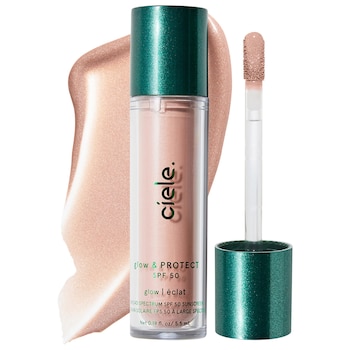
Ciele glow and PROTECT liquid highlighter, for an illuminating, easy-to-blend finish with SPF 50+

Supergoop! Glowscreen Sunlighter Glow and Protect Stick, for a sheer, shimmery glow with SPF 45

Setting Spray/ Mist

ONE/SIZE On ‘Til Dawn Mattifying Sunscreen Makeup Setting Spray, for a matte finish to lock in your makeup with SPF 28

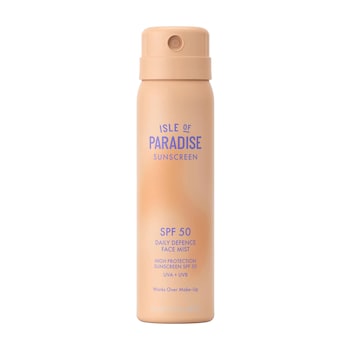
Isle of Paradise Daily Defense Face Mist Sunscreen, a smudge-free and lightweight mist to wear atop makeup with SPF 50

Lips

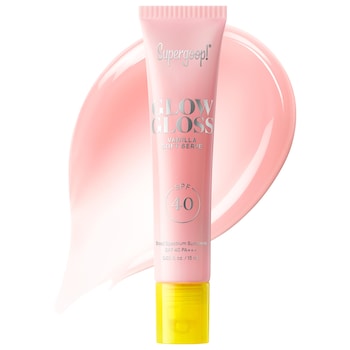
Supergoop! Glow Gloss Lip Balm with Peptides and Shea Butter, for a shiny, nonsticky, and hydrated finish with SPF 40

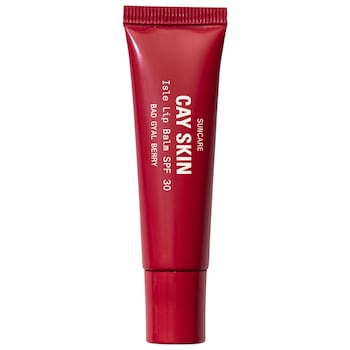
CAY SKIN Isle Lip Balm with Sea Moss and Aloe Stem Cells, for a pigmented, hydrating and delicious lip balm with SPF 30

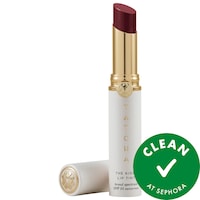
Tatcha The Kiss Lip Tint Hydrating Tinted Lip Sunscreen, for an easy-application lip product


One of the things I’ve learned from researching skincare ingredients is that sun protection doesn’t always have to look like a traditional bottle of sunscreen. While a dedicated sunscreen is still the most reliable way to get full SPF coverage, it’s interesting to see how many skincare and makeup products now incorporate UV filters into formulas we already use every day. Foundations, powders, primers, lip products, and even setting sprays can all contribute to protecting the skin while serving their main cosmetic purpose.

For me, what makes SPF in makeup so appealing is the practicality. If sun protection can be layered into products that are already part of a routine, it becomes much easier to stay consistent with it. That doesn’t mean these products should always replace a traditional sunscreen, but they can absolutely help reinforce and build on your overall protection throughout the day.

As always with skincare and cosmetics, understanding the ingredients and how products function is key. The more we know about what’s in our products and how they work, the easier it becomes to make choices that support both how our skin looks and how healthy it stays over time. — T. Sarraf, Chemistry & Cosmetics

Works Cited

American Academy of Dermatology Association. (n.d.). Sunscreen FAQshttps://www.aad.org/media/stats-sunscreen

American Academy of Dermatology Association. (n.d.). How to select and apply sunscreenhttps://www.aad.org/public/everyday-care/sun-protection/sunscreen/how-to-use-sunscreen

BareMinerals. (n.d.). Original Loose Powder Foundation Broad Spectrum SPF 15https://www.sephora.com/product/bareminerals-original-foundation-broad-spectrum-spf-15-P61003

BareMinerals. (n.d.). Multi-Tasking Face Broad Spectrum SPF 20https://www.sephora.com/product/bareminerals-broad-spectrum-multi-tasking-face-P61006

CAY Skin. (n.d.). Isle Lip Balm SPF 30https://www.sephora.com/product/cay-skin-isle-lip-balm-spf-30-P481367

Ciele Cosmetics. (n.d.). Conceal & Protect SPF 50 Spot Concealerhttps://www.sephora.com/product/ciele-conceal-protect-spf-50-spot-concealer-for-dark-spots-P513587

Ciele Cosmetics. (n.d.). Glow & Protect SPF 50https://www.sephora.com/product/ciele-glow-protect-spf-50-P514784

Ciele Cosmetics. (n.d.). Prime & Protect SPF 30https://www.sephora.com/product/ciele-prime-protect-spf-30-P515838

Dr. Jart+. (n.d.). Cicapair Tiger Grass Camo Dropshttps://www.sephora.com/product/cicapair-tiger-grass-camo-drops-P429250

FDA. (2023). Sunscreen: How to help protect your skin from the sun. U.S. Food & Drug Administration. https://www.fda.gov/drugs/understanding-over-counter-medicines/sunscreen-how-help-protect-your-skin-sun

Hourglass Cosmetics. (n.d.). Illusion Luminous Glow Foundation SPF 30https://www.sephora.com/product/illusion-luminous-glow-foundation-spf-30-P520378

IT Cosmetics. (n.d.). CC+ Cream Natural Matte Foundation SPF 40https://www.sephora.com/product/it-cosmetics-cc-cream-natural-matte-foundation-with-spf-40-P510447

Kulfi Beauty. (n.d.). Lassi Lips Staining Hydrating Lip Oilhttps://www.sephora.com/product/kulfi-lassi-lips-staining-long-lasting-hydrating-lip-oil-P512014

Laura Geller Beauty. (n.d.). Spackle Skin Perfecting Primer Broad Spectrum SPF 30https://www.sephora.com/product/spackle-skin-perfecting-primer-broad-spectrum-sunscreen-spf-30-P519547

Nudestix. (n.d.). NudeScreen Blush & Lip Tint SPF 30https://www.sephora.com/product/nudestix-nudescreen-blush-lip-tint-spf-30-P509877

ONE/SIZE by Patrick Starrr. (n.d.). On ‘Til Dawn Mattifying Setting Spray SPF 28https://www.sephora.com/product/one-size-by-patrick-starrr-mini-on-til-dawn-mattifying-sunscreen-makeup-setting-spray-spf-28-P516912

Paula’s Choice. (n.d.). Do you need SPF in makeup?https://www.paulaschoice.com/expert-advice/skincare-advice/sunscreen/spf-in-makeup.html

Supergoop!. (n.d.). Bright-Eyed 100% Mineral Eye Cream SPF 40https://www.sephora.com/product/supergoop-bright-eyed-100-mineral-eye-cream-spf-40-P453226

Supergoop!. (n.d.). Glow Screen Sunscreen SPF 40https://www.sephora.com/product/supergoop-glowscreen-sunscreen-spf-40-P456218

Supergoop!. (n.d.). Glow Stick SPF 45https://www.sephora.com/product/glowscreen-sunlighter-glow-protect-stick-spf-45-P515974

Supergoop!. (n.d.). Mineral Mattescreen SPF 40https://www.sephora.com/product/supergoop-mineral-mattescreen-spf-40-pa-P476733

Supergoop!. (n.d.). Re-Setting 100% Mineral Powder SPF 35https://www.sephora.com/product/supergoop-re-setting-100-mineral-powder-spf-35-pa-P467976

Supergoop!. (n.d.). Unseen LipScreen SPF 30https://www.sephora.com/product/supergoop-unseen-lipscreen-P505699

Tatcha. (n.d.). The Kissu Lip Tint SPF 25https://www.sephora.com/product/tatcha-the-kissu-lip-tint-spf-25-hydrating-tinted-lip-sunscreen-P510516

Ulta Beauty. (n.d.). Filter & Protect SPF 30 Finishing Powderhttps://www.sephora.com/product/filter-protect-spf-30-finishing-setting-powder-P507750

Ulta Beauty. (n.d.). Flush & Protect SPF 45 Powder Blushhttps://www.sephora.com/product/flush-protect-spf-45-powder-blush-P517325

Ulta Beauty. (n.d.). Sculpt & Protect SPF 30 Bronzing Contour Stickhttps://www.sephora.com/product/sculpt-protect-spf-30-bronzing-contour-stick-P507783

Vacation Inc. (n.d.). Daily Defense Face Mist SPF 50https://www.sephora.com/product/daily-defense-face-mist-spf-50-sunscreen-P517982

Skincare and Makeup Ingredients to Look for to Aid Dry Skin.

It is common to deal with dry, flaky, and cracked skin. This can be due to environmental damage, aging, or just lifestyle. When choosing which skincare and makeup products to use, it is essential to ensure use of products with ingredients that are beneficial to your skin.


GLYCERIN

Glycerin is a humectant commonly found in moisturizing skincare products, meaning it pulls water from the air to minimize water loss in skin cells, and increase water volume in the cells leaving the skin plump and less wrinkly. Glycerin molecules are very small, so they have the ability to penetrate the skin and remain within the layers of skin for many days to continue to hydrate. This emollient promotes hydrated and softened skin as well as the effect of other topical products used. Meaning if used with other products, it will enhance their effect on the skin. For instance, collagen. Glycerin will bind and stabilize collagen to increase the bounce in the skin.

A few well known products that contain high amounts of glycerin:

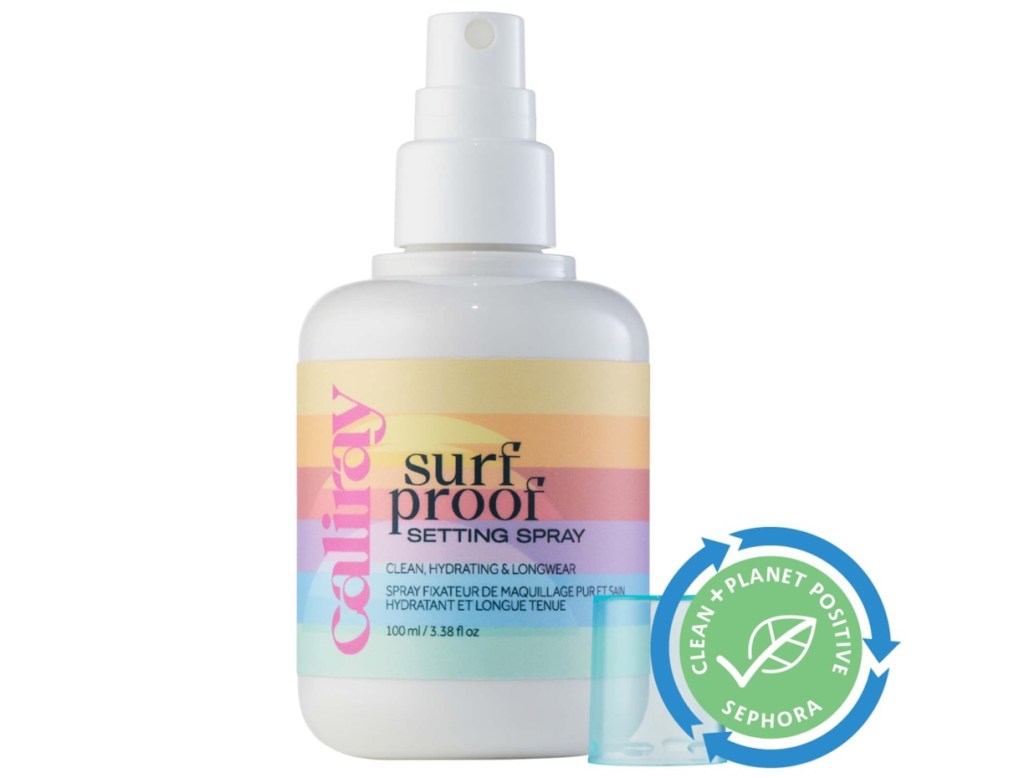
CALIRAY Surfproof Hydrating Setting Spray with Niacinamide
SHISEIDO Synchro Skin Self-Refreshing Foundation SPF 30
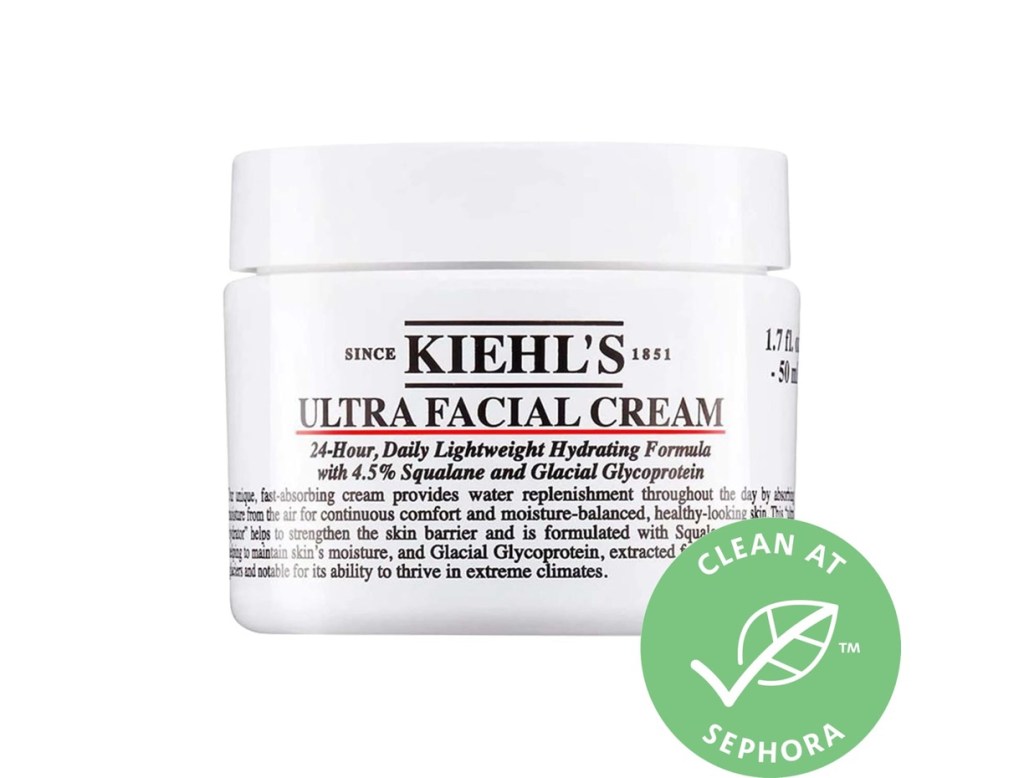
KIEHL’S Ultra Facial Moisturizing Cream

HYALURONIC ACID

Hyaluronic acid helps the skin retain water. It does not pull water from the air like glycerin does, but if it is applied to damp skin, it’s effects are best shown. It reduces wrinkles and makes the skin more flexible due to increased water volume in the skin. It is also used to help aid wounds by sending signals to the body to produce blood vessels, as well as suppress inflammation. This leaves skin less irritated and red.

A few well known products that contain high amounts of hyaluronic acid:

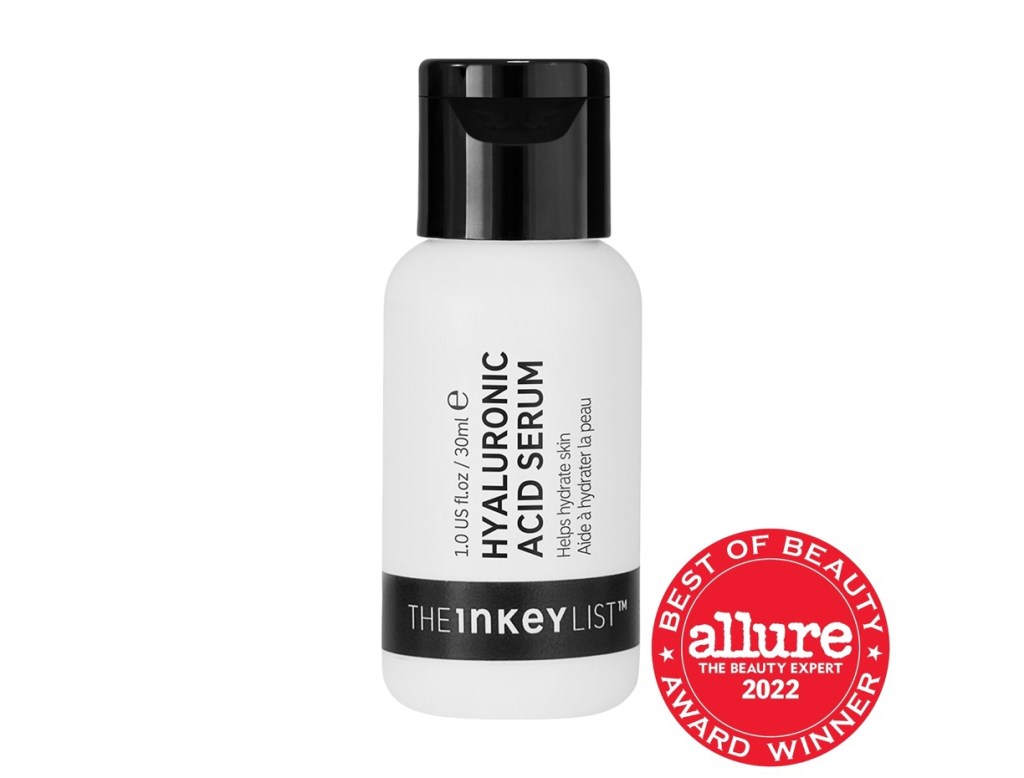
THE INKEY LIST Hyaluronic Acid (HA) Hydrating Face Serum
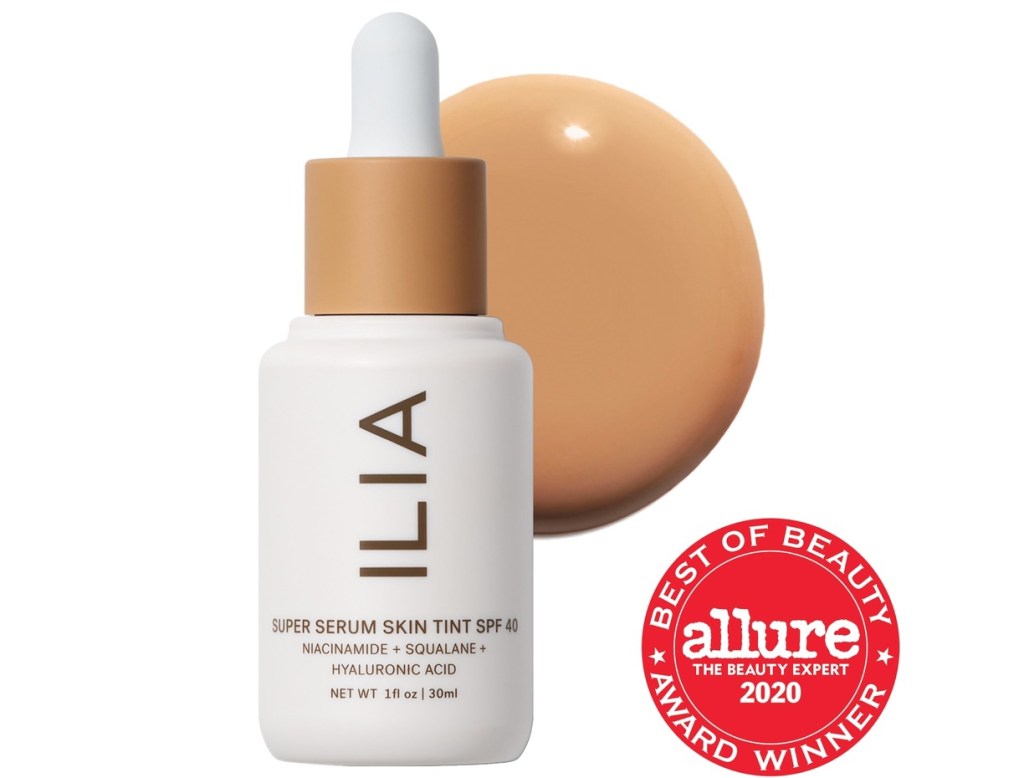
ILIA Super Serum Skin Tint SPF 40 Foundation
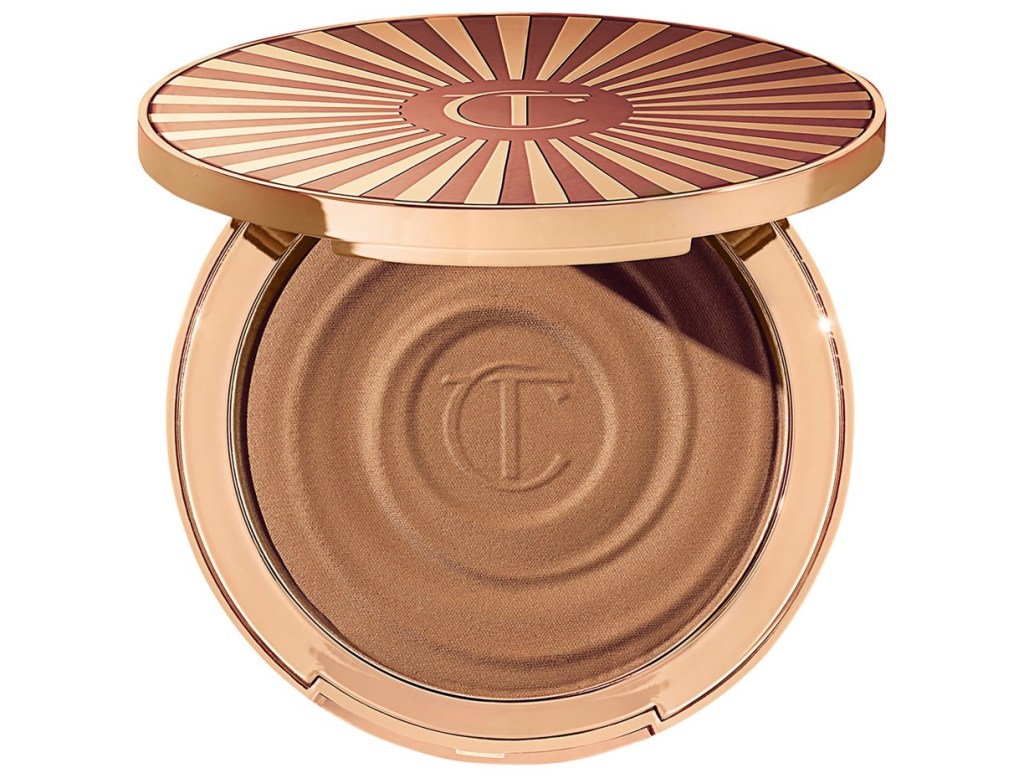
Charlotte Tilbury Beautiful Skin Sun-Kissed Glow Cream Bronzer

Which Cleanser is Best for You?

Cleanser is essential to the skin barrier as it helps remove oil, dirt, and other pore-cloggers. As beneficial as it sounds, did you know that your cleanser could actually be harmfully affecting your skin? If not chosen carefully, cleanser could actually strip the skin of its natural oils, or it could be inefficient to the remnants on the skin. Knowing whether a type of cleanser is benefiting your skin or not mainly depends on your skin type: dry, oily, combination, sensitive, acne prone, etc.


Dry Skin

When looking for a cleanser for dry skin, it is important to find one that is hydrating and gentle, yet still effective. Oil based cleansers or hydrating cleansers are a good fit. They help lock moisture into the skin while removing dirt and excess oils that are produced by the body. They can clean out pores and remove makeup with ease, yet are gentle enough to avoid stripping the skin and leaving it dry and flaky. Oil cleansers do not foam up like water-based, leaving the skin less irritated.

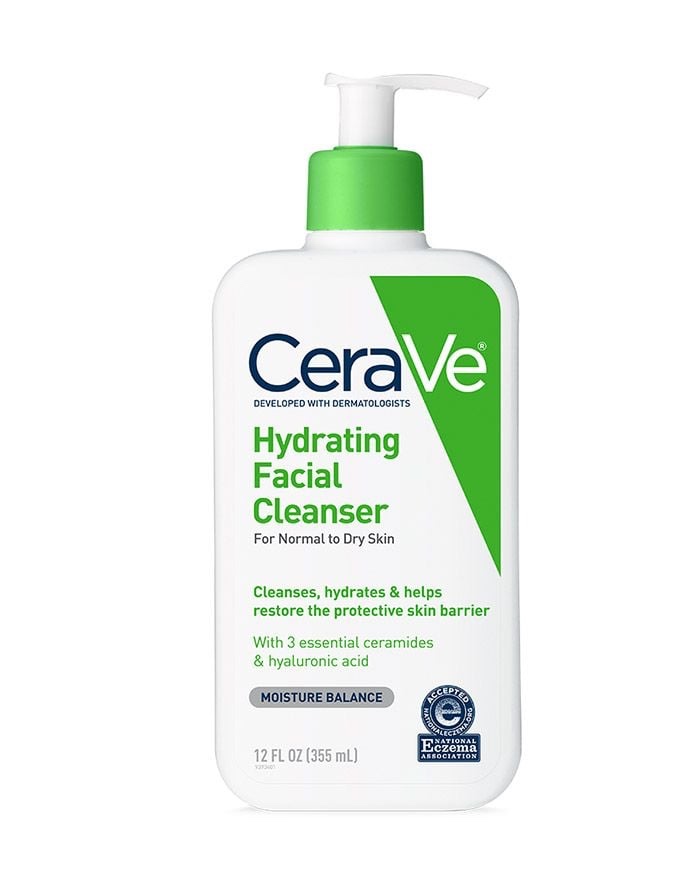
CeraVe Hydrating Facial Cleanser
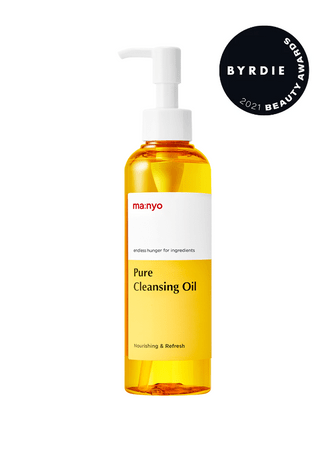
ma:nyo Pure Cleansing Oil
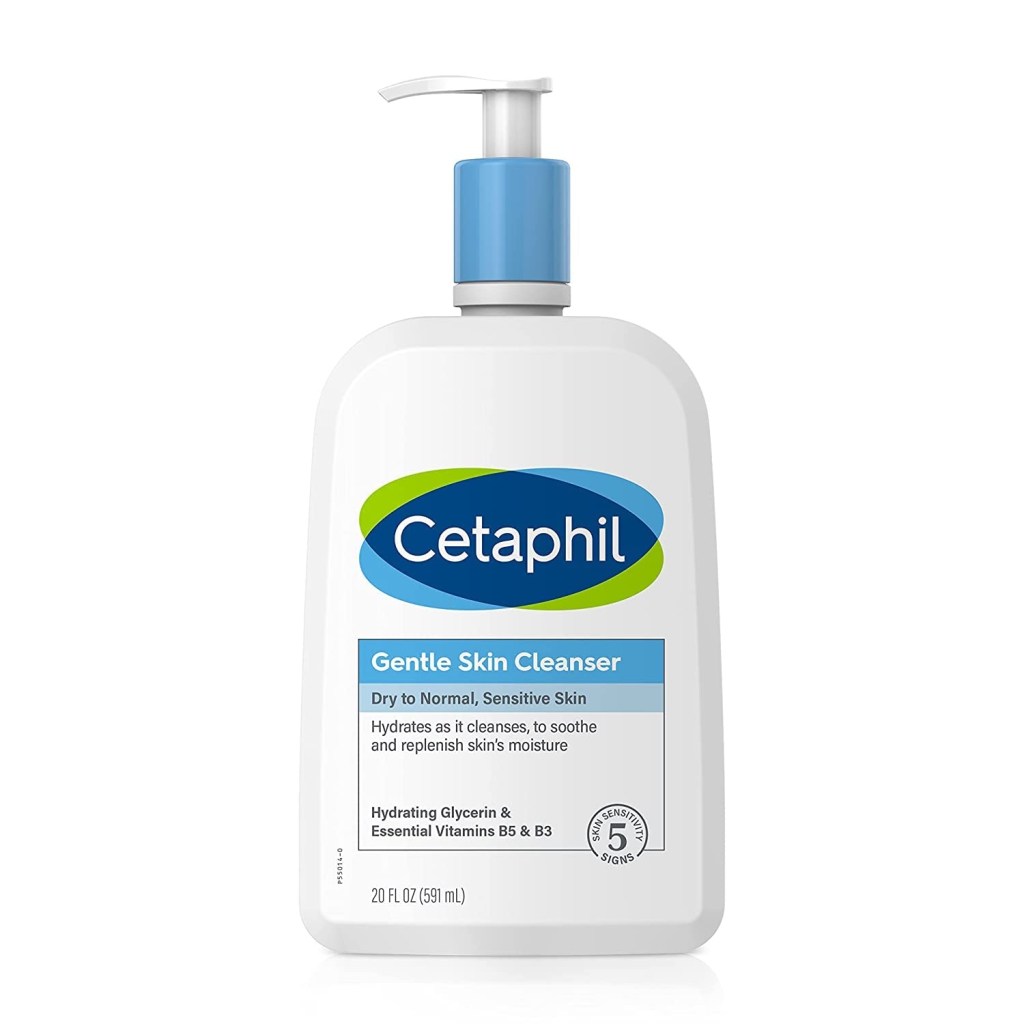
Cetaphil Gentle Skin Cleanser

Oily Skin

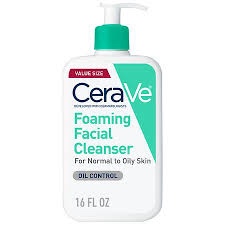
Factors such as genetics, stress, and weather can have an increase in the oiliness of your skin. Although these are uncontrollable, there are methods and products that can help reduce oil. For one, the type of cleanser and methods of cleansing. As for type of cleanser, foaming cleansers are best. They are good at removing excess oils and sebum in the skin. Foaming cleansers can grab onto the external factors producing more of an oily complexion. Also, when struggling with oil, it is a good idea to cleanse the skin more often. Whether it be cleansing in both the morning and night or double cleansing, however you can further penetrate the pores without irritation, the better.

Cetaphil Gentle Foaming Cleanser
CeraVe Foaming Facial Cleanser

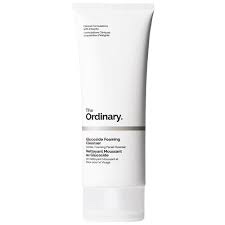
The Ordinary Glucoside Foaming Cleanser

Combination Skin

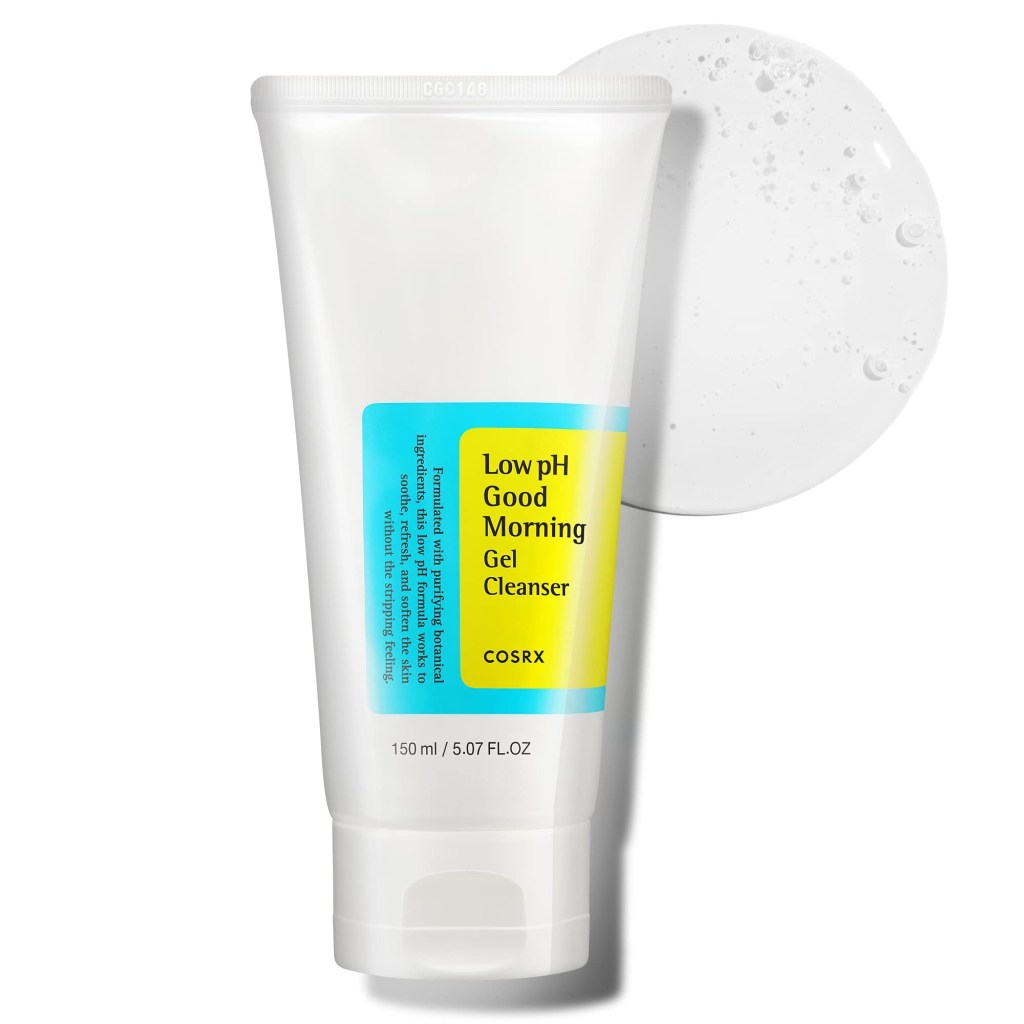
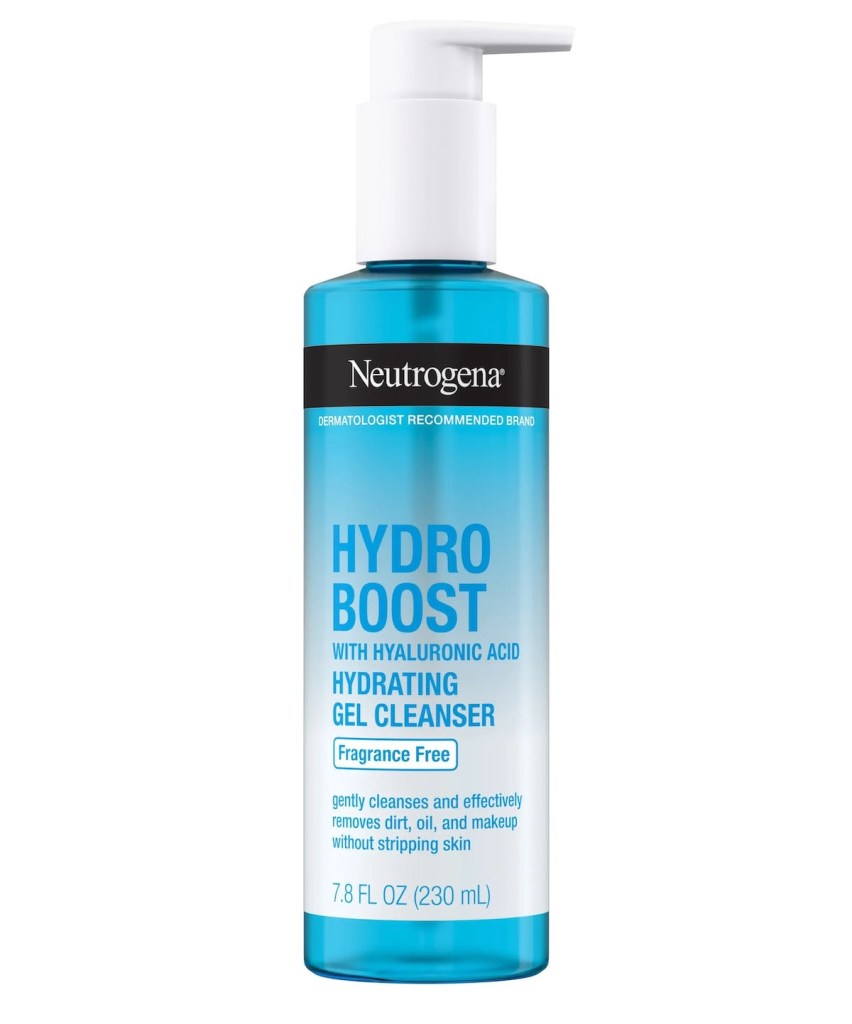
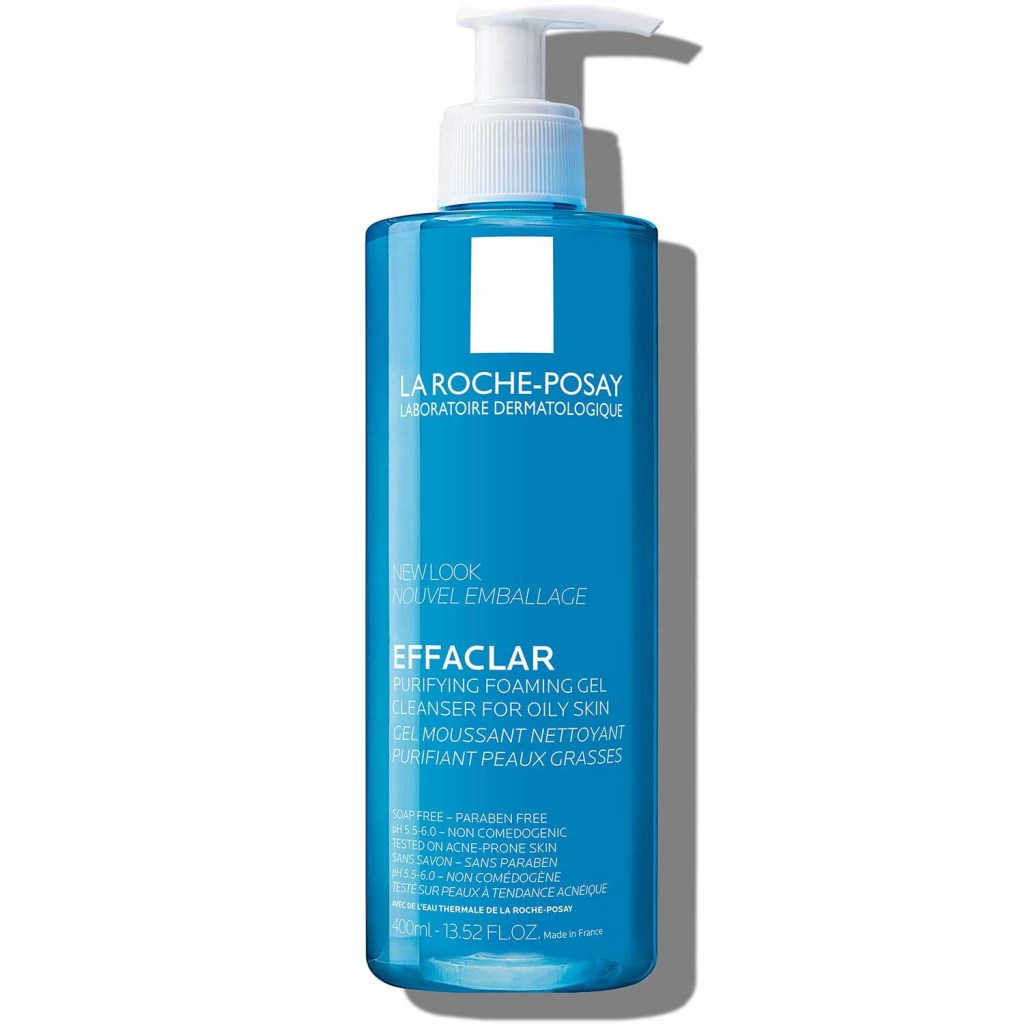
Combination skin: oily skin meets dry skin. Usually found as an oily t-zone and dry cheeks. It is difficult to cater to this type of skin because of the contrast between the two, and the fact that it is mostly due to genetics and hormones. Dry skin is usually soothed with oil-based and moisturizing products, yet oily skin is repaired with foamy and deep-cleansing products. In order to even out both struggles, a gel cleanser is easiest to use. Gel cleansers can gently exfoliate the excess dry skin and care for the oil and sebum without causing too much irritation to the skin barrier.

COSRX Low pH Good Morning Gel Cleanser
Neutrogena Hydro Boost Hydrating Gel Cleanser
La Roche-Posay Effaclar Purifying Foaming Gel Cleanser

Acne-prone Skin

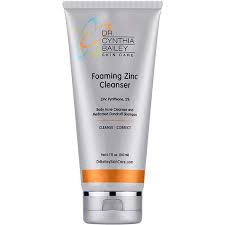
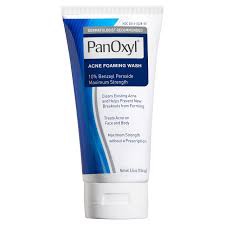
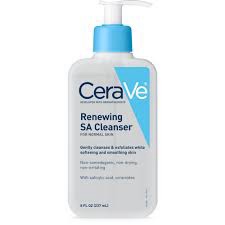
Not all acne is avoidable. Some is due to hormones and internal factors that cannot be aided topically. However, for surface level acne, blackheads, and scarring, choosing the correct cleanser can be a make or break decision. Some ingredients that can be beneficial are salicylic acid, zinc, and Benzoyl peroxide. Benzoyl peroxide targets bacteria on the skin that cause acne, zinc is also antibacterial and additionally helps heal the skin barrier for scarring and dark spots, salicylic acid exfoliates the skin to keep pores clear and remove buildup that causes blackheads and whiteheads.

Dr. Cynthia Bailey Foaming Zinc Cleanser
PanOxyl Acne Foaming Wash
CeraVe Renewing SA Cleanser

Sensitive Skin

It is very hard to find the perfect routine for sensitive skin. Certain products or combinations of ingredients can cause redness, irritation, bumps, dryness and more. Other factors such as weather and allergies can also have an effect. One essential ingredient to avoid with sensitivity is fragrance. Fragranced products can cause irritations and reactions especially if the skin barrier is damaged. When looking for cleansers for sensitive skin, it is best to find one that is gentle and fragrance free.

CeraVe Foaming Facial Cleanser
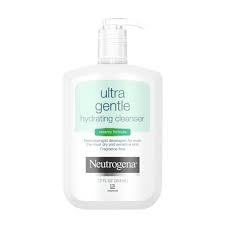
Neutrogena Ultra Gentle Hydrating Cleanser
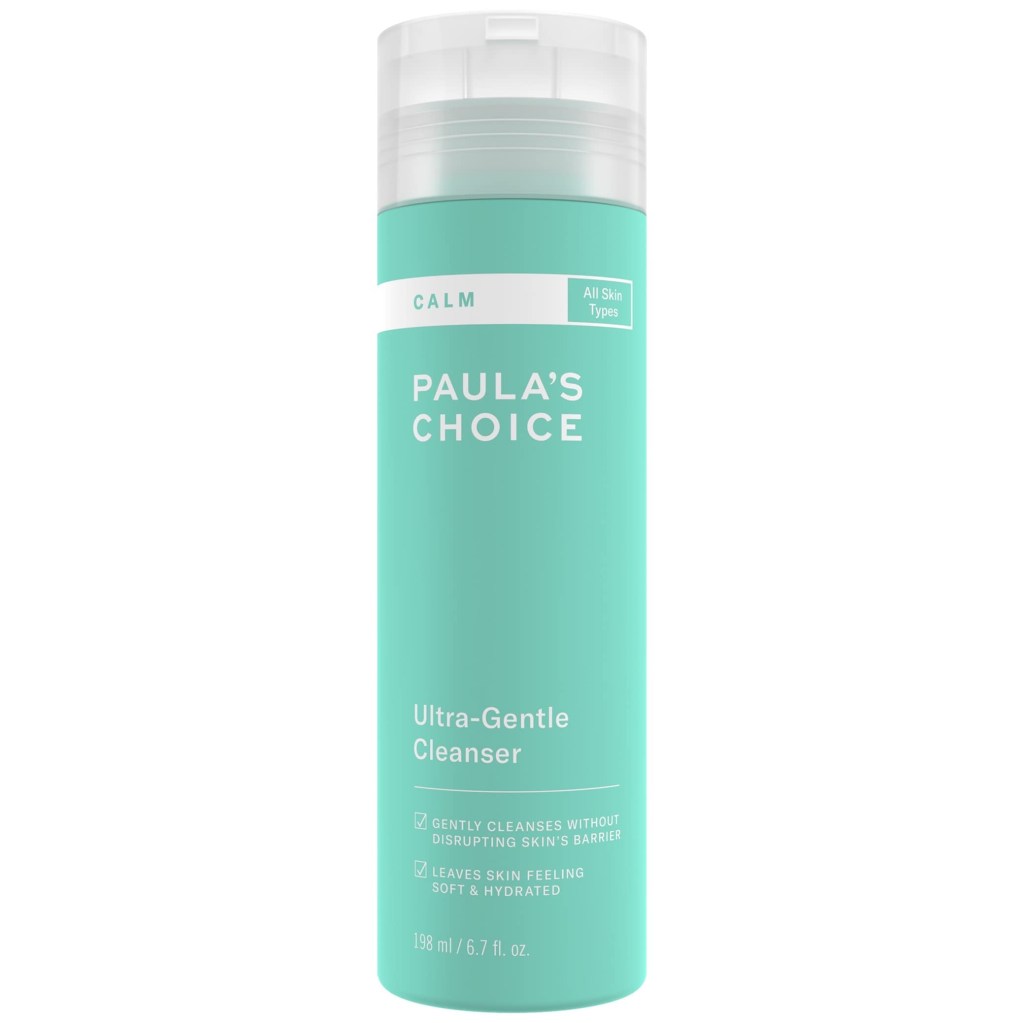
Paula’s Choice Ultra-Gentle Cleanser